
Strategic Readiness Assessment of 916763139, 982376434, 39699224, 963954035, 426630136, 916259779

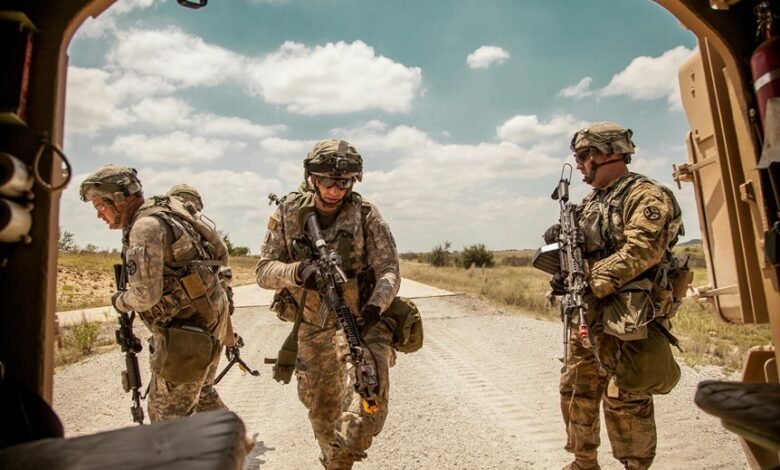
The strategic readiness assessment of identifiers 916763139, 982376434, 39699224, 963954035, 426630136, and 916259779 provides a critical framework for understanding each organization’s adaptability to change. By analyzing risk management practices and preparedness training, the assessment uncovers both strengths and vulnerabilities. This insight is essential for enhancing decision-making processes. However, the question remains: how can these organizations effectively leverage their assessments to foster resilience and innovation in an ever-evolving landscape?
Overview of Identifiers and Their Significance
Identifiers play a crucial role in the strategic readiness assessment process, serving as foundational elements that facilitate the evaluation of an organization’s preparedness for change.
Their significance lies in enabling accurate data interpretation, ensuring that stakeholders can discern patterns and insights from complex information.
Analysis of Strategic Readiness Factors
An organization’s strategic readiness is influenced by a myriad of factors that collectively determine its ability to adapt to change.
Key components include effective risk evaluation and optimal resource allocation, which enable organizations to navigate uncertainties.
Recommendations for Enhancing Preparedness
While many organizations recognize the importance of strategic readiness, implementing effective measures to enhance preparedness often requires a structured approach.
Prioritizing comprehensive preparedness training ensures personnel are equipped to respond effectively. Additionally, conducting regular risk assessments allows organizations to identify vulnerabilities and tailor strategies accordingly.
Conclusion
In contrasting the strategic readiness of identifiers 916763139, 982376434, 39699224, 963954035, 426630136, and 916259779, a compelling narrative emerges: while some organizations exhibit robust risk management practices, others reveal significant vulnerabilities. This juxtaposition underscores the imperative for proactive preparedness training and continuous improvement. As these organizations navigate uncertainties, their ability to adapt will ultimately define their resilience, transforming potential weaknesses into opportunities for growth and collaboration in an ever-evolving landscape.