
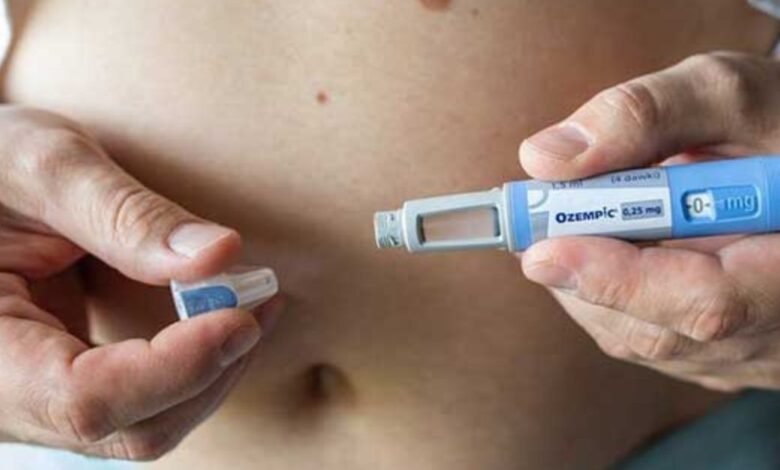
When starting Ozempic for weight loss, one of the most common questions is, how fast will I lose weight on Ozempic. Understanding the expected timeline, factors that influence results, and practical strategies for progress can help set realistic expectations and maintain motivation. FitRx offers detailed guidance on what users can expect, how to optimize results, and how to integrate Ozempic into a sustainable weight management plan.
Ozempic works as a GLP-1 receptor agonist, helping reduce appetite, slow gastric emptying, and support blood sugar control. These combined effects contribute to gradual and sustainable weight loss. FitRx emphasizes that individual results vary depending on starting weight, lifestyle habits, and adherence to the medication schedule. The key to effective results lies in consistency, monitoring, and pairing medication with healthy habits
Weight Loss Timeline with Ozempic
Many users begin noticing appetite changes within the first two to four weeks of starting Ozempic. These early changes often translate into small initial weight loss, which provides motivation to continue the regimen. By weeks six to twelve, more significant weight reduction typically becomes noticeable, although the pace varies among individuals. FitRx highlights that maintaining consistent dosing and integrating lifestyle practices is essential to maximize these results.
Clinical studies show that users may lose approximately 5% to 10% of their body weight within the first 12 to 16 weeks. Some may experience faster progress, while others see slower changes. Understanding that weight loss occurs in stages and that early adjustments are mostly water weight or appetite-related helps users maintain realistic expectations. FitRx stresses that patience and consistency are critical to achieving long-term results.
Factors That Affect Weight Loss Speed
Several factors influence how fast weight loss occurs on Ozempic. These include starting body mass index, diet quality, physical activity, sleep patterns, and consistency with injections. FitRx emphasizes that medication alone is rarely sufficient for optimal results. Combining Ozempic with balanced nutrition, regular exercise, and proper hydration enhances both the speed and sustainability of weight loss.
Side effects of ozempic such as mild nausea, bloating, or digestive changes can occur in the first few weeks. While these may temporarily affect appetite and comfort, they typically diminish as the body adjusts to the medication. FitRx recommends monitoring these effects carefully and consulting healthcare providers when necessary to ensure a safe and effective weight loss journey.
See also: Fountain Pumps vs. Aerator Pumps: Which Does Your Pond Need?
Maximizing Ozempic Results
FitRx advises pairing Ozempic with structured lifestyle habits to optimize outcomes. Balanced meals rich in protein, fiber, and healthy fats help maintain satiety and prevent overeating. Staying hydrated and incorporating moderate physical activity supports metabolism and accelerates weight reduction.
Consistency with injections is crucial. Administering doses on the same day each week helps maintain stable medication levels. Rotating injection sites, tracking dose timing, and observing appetite changes allows users to adjust their routine for the best possible results. FitRx highlights that combining medication with healthy habits significantly improves the efficiency and sustainability of weight loss.

Tracking Ozempic Before and After Results
Many users track Ozempic before and after results to measure progress. FitRx recommends using photos, weight logs, and measurements to observe changes over time. Early weight loss may be subtle, but significant changes usually appear after several weeks, particularly in combination with improved diet and activity habits.
Weight loss plateaus are common and should be expected. FitRx advises using plateaus as an opportunity to reassess dietary choices, activity levels, and routine adherence. Incremental adjustments can reignite progress while maintaining safe and sustainable weight loss.
Maintaining Long-Term Success
Monitoring progress safely is essential. FitRx recommends keeping a record of weight, appetite, and side effects, as well as noting the weekly injection schedule. This enables informed adjustments and ensures the medication continues to be effective. Regular check-ins with healthcare providers are also important to assess overall health, monitor side effects, and refine treatment plans.
FitRx emphasizes that lasting success with Ozempic depends on an integrated approach that combines medication with sustainable lifestyle habits. Ongoing support through prescription weight loss programs for lasting results by FitRx helps ensure steady progress and long-term weight management.
Conclusion
The speed at which you lose weight on Ozempic depends on multiple factors including adherence, lifestyle habits, starting weight, and metabolism. Most users notice initial appetite changes within the first few weeks, with meaningful weight loss occurring over 12 to 16 weeks. FitRx provides guidance on maintaining realistic expectations, tracking progress, and combining medication with healthy habits to maximize results. By integrating consistent weekly injections with balanced nutrition, hydration, and regular activity, users can achieve safe and sustainable weight management.
FAQs
1. How quickly can I expect to lose weight on Ozempic?
Appetite changes usually occur in 2–4 weeks, with significant weight loss often observed between 12–16 weeks.
2. What factors affect how fast I lose weight on Ozempic?
Starting weight, diet, exercise, sleep, and adherence to injections all influence results.
3. Are Ozempic results permanent?
Sustainable results require continued healthy habits alongside medication.
4. How should I track my progress?
Keep a weekly log of weight, appetite, injection timing, and side effects to guide adjustments.
5. Can side effects affect weight loss speed?
Mild nausea or digestive changes may occur initially but generally do not impact long-term results.