
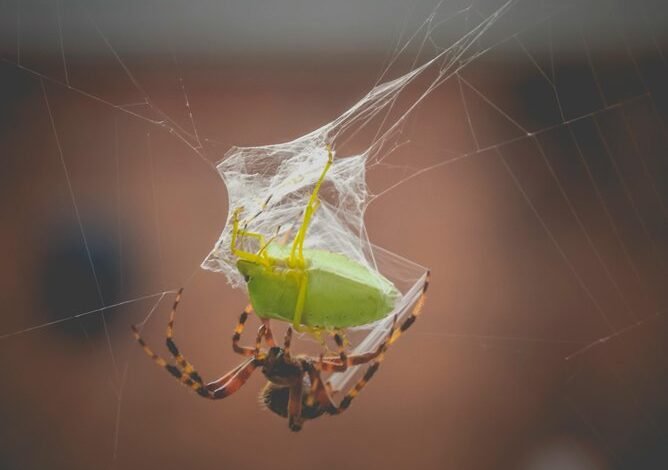
The funnel-web spider is recognized as one of the most dangerous spiders in the world. It thrives in warm, dry climates and displays unique coloration for camouflage. This spider’s size and hunting techniques are notable, allowing it to effectively capture smaller insects. Its venom, while feared, also presents potential medical benefits. Understanding its habitat, characteristics, and implications could shift perceptions about this creature. What other surprises might this spider hold?
Habitat and Distribution
The habitat and distribution of the most dangerous spider are critical factors influencing its behavior and interactions with the environment.
This spider exhibits specific habitat preferences, often favoring warm, dry climates and secluded areas.
Its geographical range spans various continents, adapting to diverse ecosystems.
Such adaptability enhances its survival, allowing it to thrive in environments that support its predatory lifestyle and reproductive success.
Physical Characteristics
Physical characteristics play a crucial role in identifying the most dangerous spider and understanding its predatory capabilities.
Notably, these spiders exhibit significant size comparison to common species, often reaching lengths of several inches. Their distinctive coloration patterns, which may include bold markings or shades, serve not only for camouflage but also as warning signals to potential threats, further enhancing their survival in various environments.
Behavior and Hunting Techniques
Behavior and hunting techniques are critical aspects of the most dangerous spider’s survival strategy.
This spider employs a sophisticated hunting strategy, utilizing ambush tactics to capture unsuspecting prey. Its prey selection is highly selective, targeting smaller insects that exhibit specific movements.
This precision enhances its success rate, allowing it to conserve energy while maximizing nutritional intake, vital for its overall survival and reproductive success.
Venom and Medical Implications
Venom plays a pivotal role in the ecological niche occupied by the most dangerous spider, serving both as a means of subduing prey and as a defense mechanism against potential threats.
Recent antivenom research has highlighted the potential medical applications of spider venom, revealing compounds that could aid in pain relief and treatment of various diseases, thereby transforming perceptions of these arachnids from threats to valuable biological resources.
Conclusion
In conclusion, the funnel-web spider exemplifies nature’s complexity, thriving in specific habitats while showcasing remarkable physical and behavioral adaptations. Its venom, often feared, may hold the key to groundbreaking medical advancements. As research progresses, one must ponder: could the very creature once deemed a perilous threat become an ally in the fight against human suffering? Understanding this spider’s role in ecosystems and medicine underscores the importance of reevaluating our perceptions of these remarkable arachnids.